











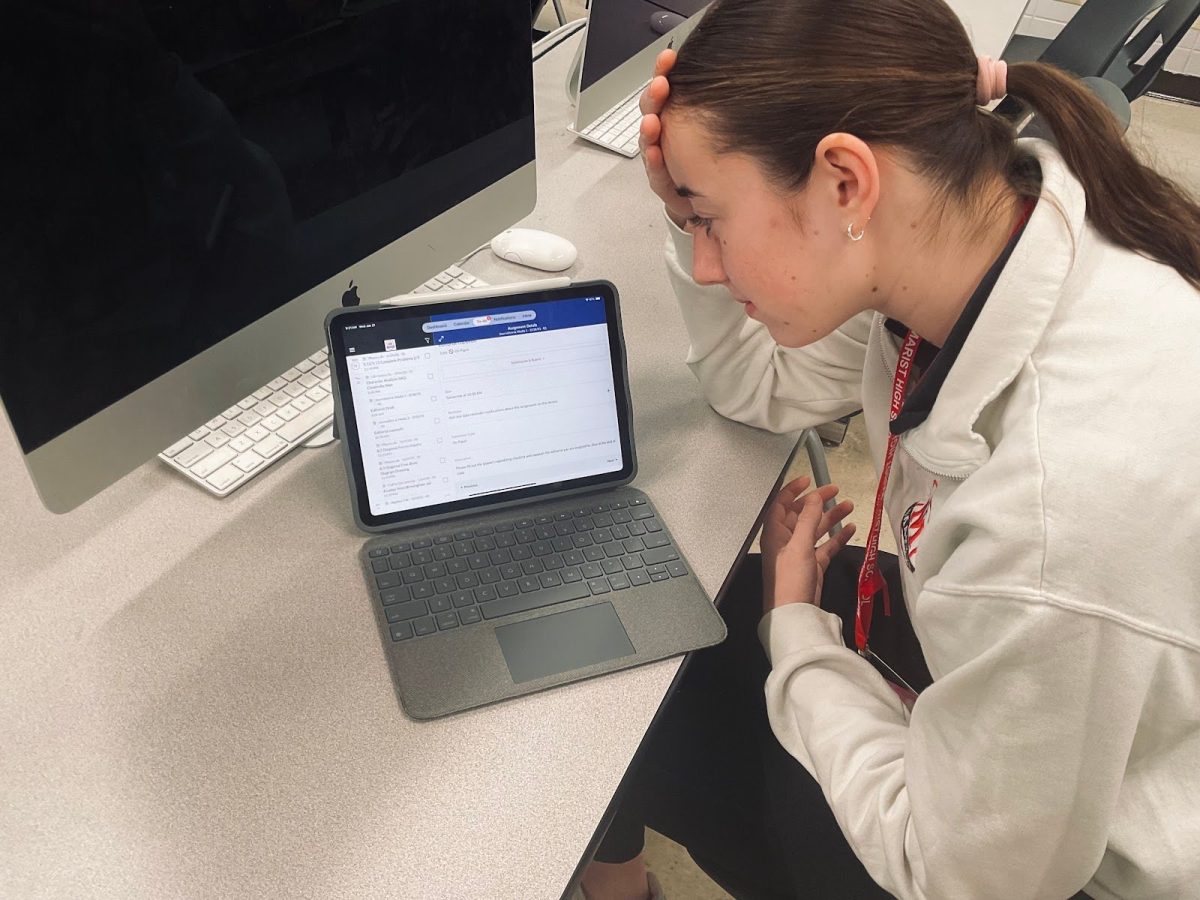
Students and faculty are facing persistent flu outbreaks that now define the daily experience at Marist. As a new wave of flu and respiratory viruses spread through the halls, students and staff struggle to manage their attendance so that it doesn’t disrupt the normal flow of the school week.
The current wave seems to be ongoing and some notice the recent recovery period takes longer than expected. Many students also find themselves in a frustrating cycle of what seems like recovery.
“Somebody gets the flu or a virus. It seems to knock them out for up to three days, maybe four,” said Carlson. “In some cases, they’re coming back to school and getting sick again, and then taking absentee absences, and then taking days off again, because they weren’t fully healed of the virus.”
The pressure to maintain grades and attendance drives students to stay in their seats longer than many should.
“I had a little bit of a breakdown, I can’t miss school. I have to go to school, I was like, maybe I’ll go for half a day,” said Ava Krueger, who recently took numerous days off due to illness. “I took my temperature, and it was 102, so I couldn’t go to school.”
This illness also shows challenges for students to seek medical treatments.
“They tested me for strep, and it was negative, and they said it’s likely the flu, but there’s no medicine for the flu, so they couldn’t give me anything,” said Krueger.
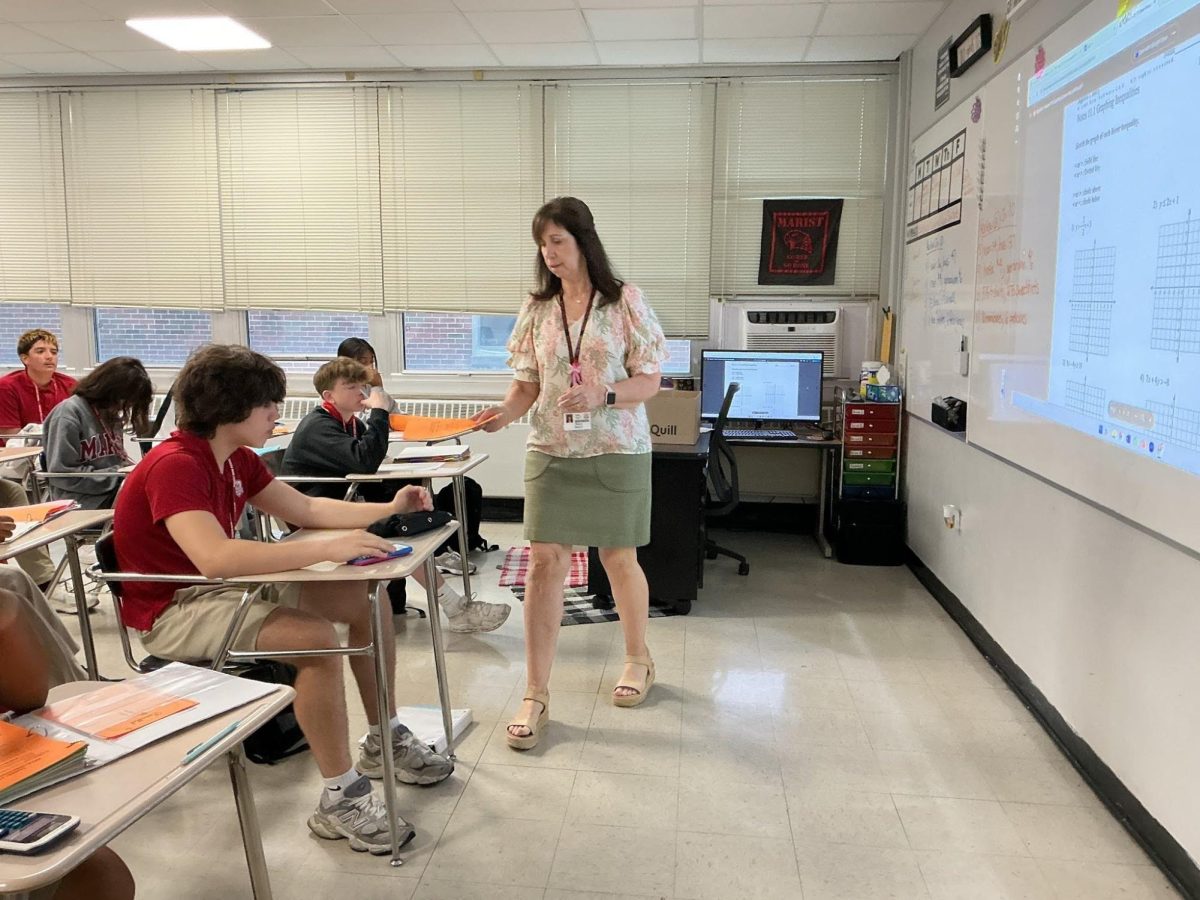
Shared spaces and close proximity contributes to the rapid spread of viruses.
“I think that everyone here is sick right now,” said Krueger. “And it’s just hard when you’re doing so much and sitting in desks that other people are sitting in and being around coughing people and sick people.”
However, life factors and other personal lifestyles can play a role in a poor immune system.
“A common culprit for somewhat less being sick is either they don’t have things like not having the vitamins, minerals, like the nutrition that they need to stay healthy,” said athlete trainer Donjanae Chamberlain.
Even when students think they’re staying away from being sick, this isn’t always the case.
“Being around like family, being around a certain people, like going on vacation, things like that, that will make you be more sick,” said Chamberlain.
Chamberlain explains the problem with a simple solution.
“Vitamin D, vitamin C…a lot of students don’t know that they need those extra vitamins, especially when we have a lack of sunlight,” said Chamberlain. “We lose those vitamins because we just have the lack of sunlight, the lack of things to bring it back.”
When deciding whether to come in or not, students can always attempt to, with caution.
“If it’s like you’re dizzy, you’re nauseous, you can’t concentrate, I would just go home. So like a gold standard, try if you can, but if you feel like you can’t, don’t come. Or if you feel like you’re going to get people sick, don’t come,” said Chamberlain.