












Walking into high school for the first time can feel overwhelming. New classes, unfamiliar faces, and higher expectations can quickly catch freshmen off guard. While many students enter with certain expectations, seniors say the reality is often very different, and they have advice they wish they had known from the beginning.
After interviewing seniors Gianna Bonafilia, Akir Finley, and George Kottaras, several key themes emerged: managing time, staying involved, and finding balance.
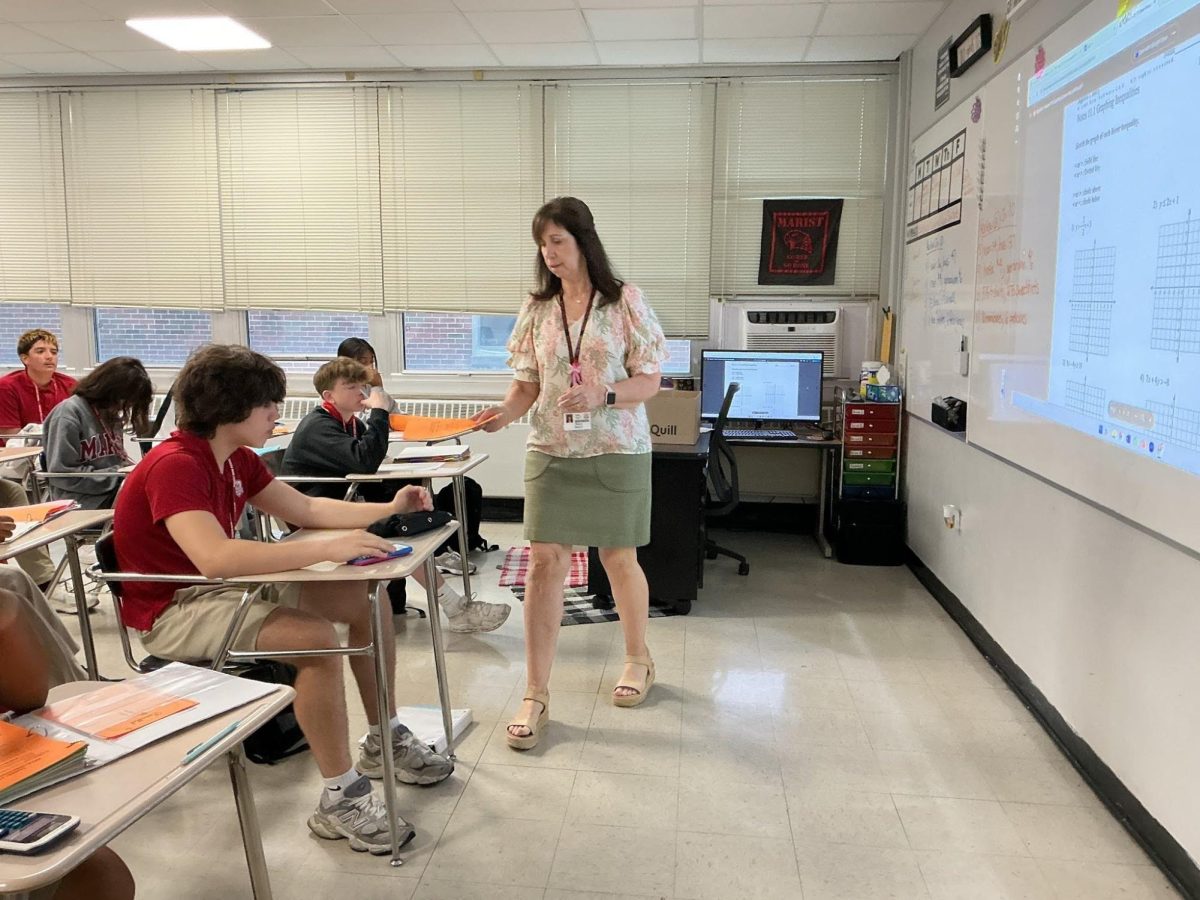
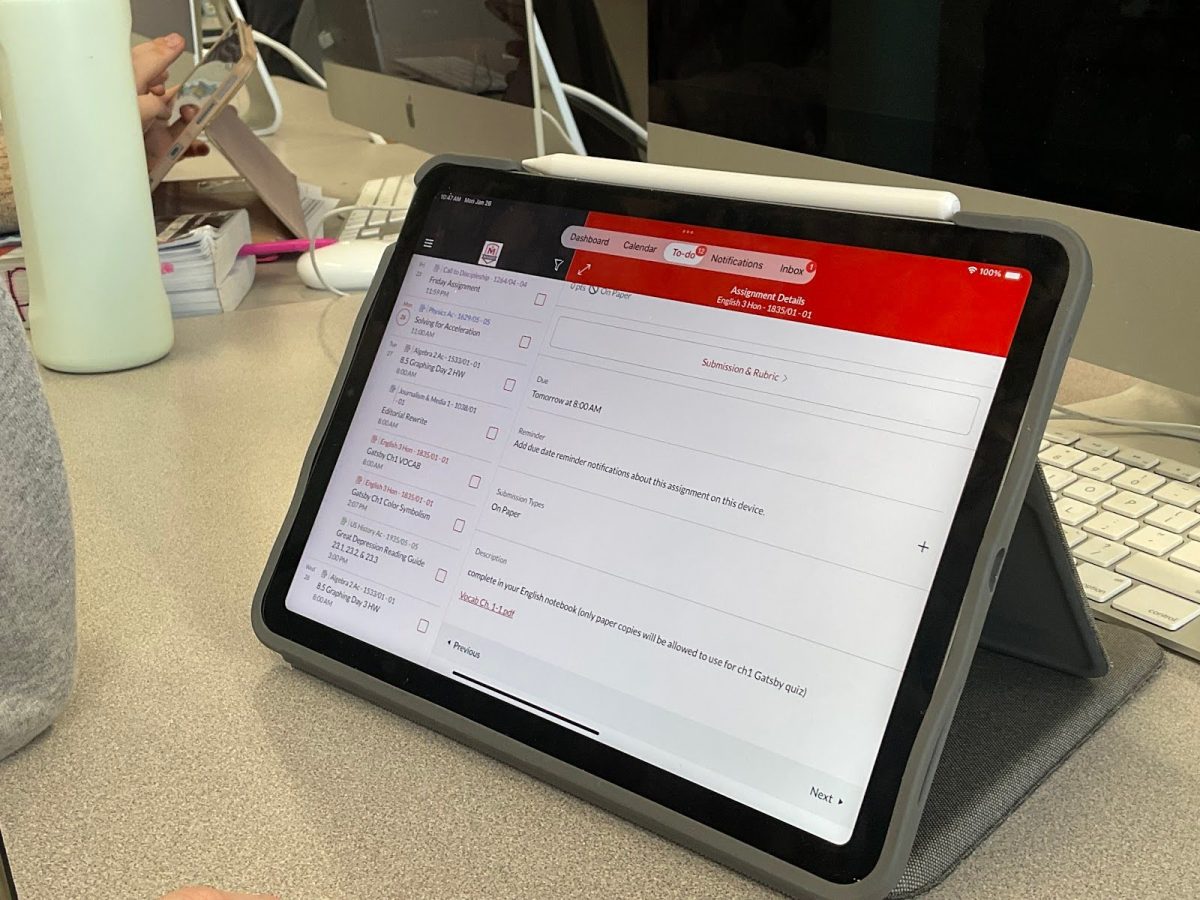
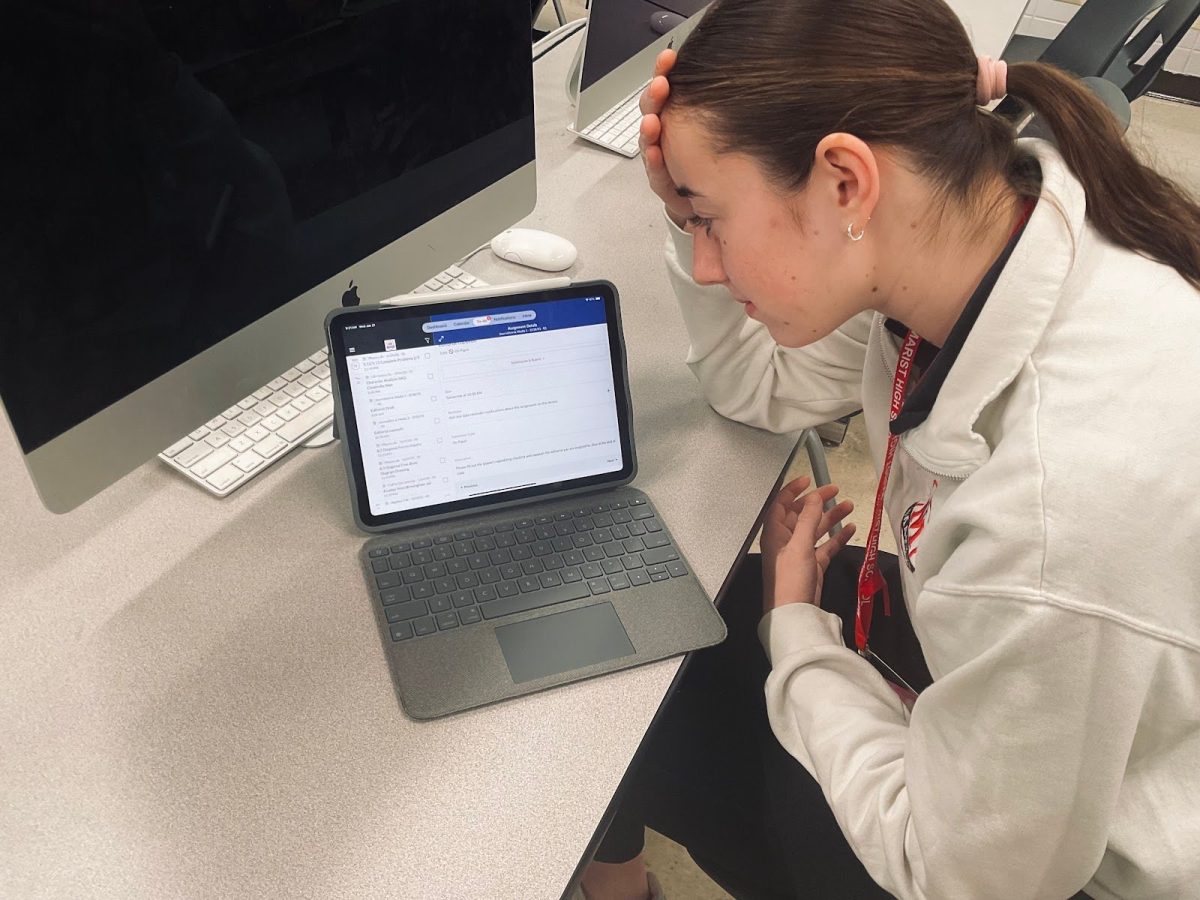
One of the biggest surprises for high school students is the workload. Compared to middle school, the demands require more responsibility and independence.
“I wish I knew how much homework and how many things I would be obligated to do,” Kottaras said. “My workload is much tougher now.”
Because of this, time management becomes critical. Without it, assignments can pile up and quickly lead to unnecessary stress.
Many seniors also reflected on regrets, specifically, not taking freshman and sophomore year seriously enough.
“That kind of messed me up in the long run for colleges,” Kottaras said.
Although he was able to recover academically, he emphasized that staying focused from the start makes a major difference.
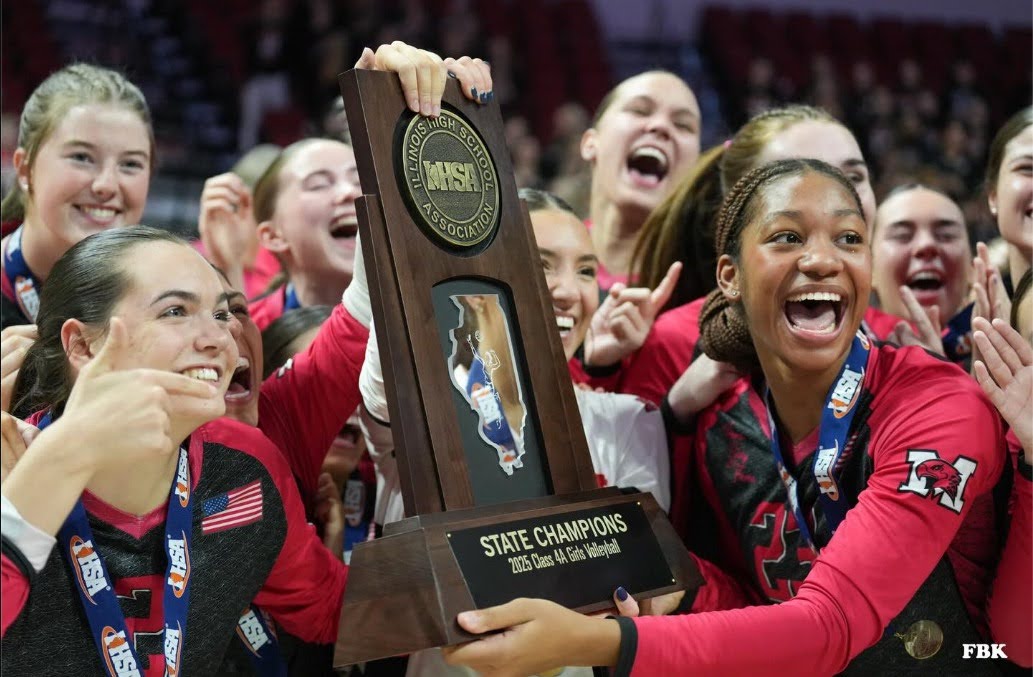
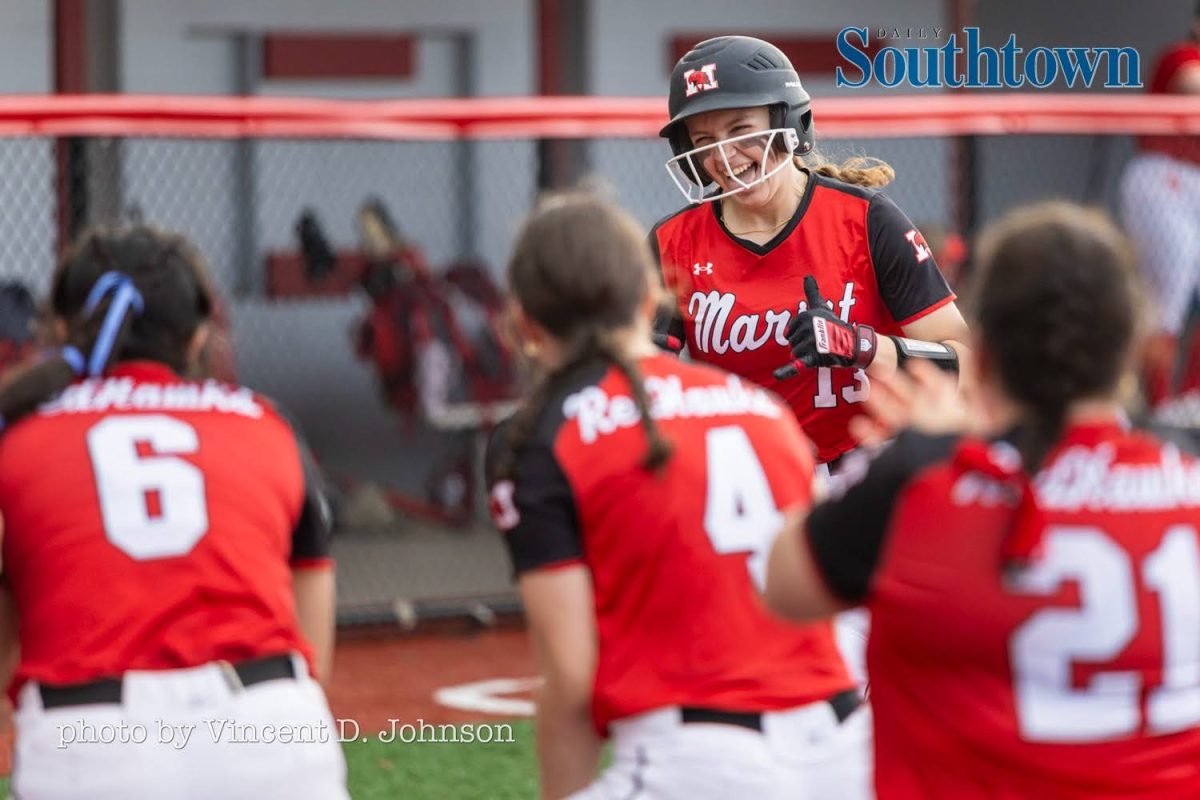
Another major point of advice emerged regarding school activities. Students who participated in sports, clubs, or other organizations said it improved their overall experience.
“A really big thing is to get involved,” Bonafilia said. “I met a lot of new people and found out more things about myself.”
Bonafilia added that she wishes she had gone out for more sports and supported her classmates more, showing that involvement can shape both personal growth and school connections.
When it comes to academics, all three seniors agreed that grades are crucial. They play a key role in college acceptance and future opportunities.
“Grades are extremely important,” Kottaras said. “They’re one of the driving factors on whether or not a college will accept you”
However, Finley offered a broader perspective.
“Grades are important, and they will set you up for opportunities,” Finley said. “But they do not define you”
This balance between achievement and self-worth is something many students learn over time.
Stress is another challenge that nearly every student faces. With heavy workloads and extracurricular commitments, pressure can build quickly. Seniors shared different ways they manage stress in their daily lives.
“I’ll go home, take a nap, hang out with my friends, or do something to take my mind off what’s stressing me,” Kottaras said.
Bonafilia takes a different approach, focusing on reflection and relaxation.
“I try to take a minute, maybe journal, or listen to music and take a break from schoolwork,” Bonafilia said.
Finley emphasized mindset and perspective when dealing with pressure
“I just take a few deep breaths and remember that everything’s temporary,” Finley said. “What I’m going through now won’t last forever.”
These different strategies show that there is no single way to handle stress, but finding healthy outlets is essential.
When asked what students should avoid, seniors gave consistent advice: don’t fall behind.
“Students should avoid getting far behind,” Finley said. “Once you’re behind, the work and stress both pile up.”
They also advised avoiding unnecessary drama and staying focused on personal goals.
Another common topic was what matters most in high school: grades, friendships, or reputation. While answers varied, many seniors emphasized the importance of relationships.
“I’d say friends,” Bonafilia said. “Surrounding yourself with good people can really affect your day-to-day life,”
Finley agreed, noting that a strong support system helps students through difficult times. Still, Kottaras pointed out that balance is key, explaining that managing all three areas can set students up for success.
Despite the challenges, all three seniors said their high school experience turned out better than expected.
“I wouldn’t trade my four years for anything,” Finley said.