



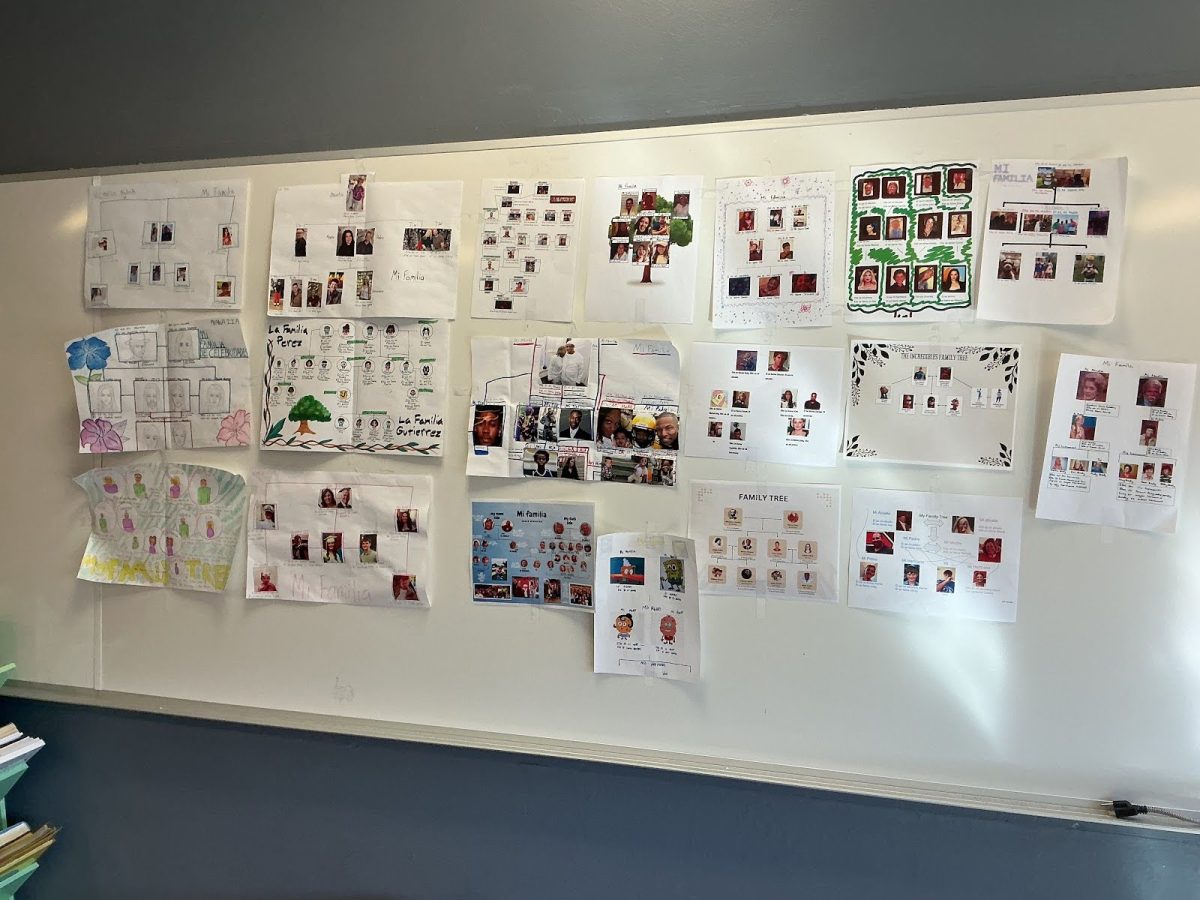
Students at Marist High School have the opportunity to explore new cultures and languages through three of the courses offered at the school: Spanish, Italian, and French classes, programs that teachers say help students to grow academically, socially, and personally, in their daily lives.
Many studies show the amazing results that it has on the blossoming, young mind.
“I truly enjoy seeing students grow in their teenage years and become accomplished adults,” said Italian and Spanish teacher Jacqueline Maggio.
Language classes don’t only focus on literacy and fluency either. In the classes, students also cover the differences in culture and tradition between the U.S. and other counties while learning how to read, write, and speak in a foreign language.
Learning about different ways of life can help to expand students’ world view and bring a deeper understanding of the unity of the world around them, as well as the diversity among students.
“This helps [students] understand versatility, flexibility, and there is not just one way to live or do things,” said Maggio.
Still, none of this could be done without the help of the many hard-working teachers in Marist’s World Language Department.
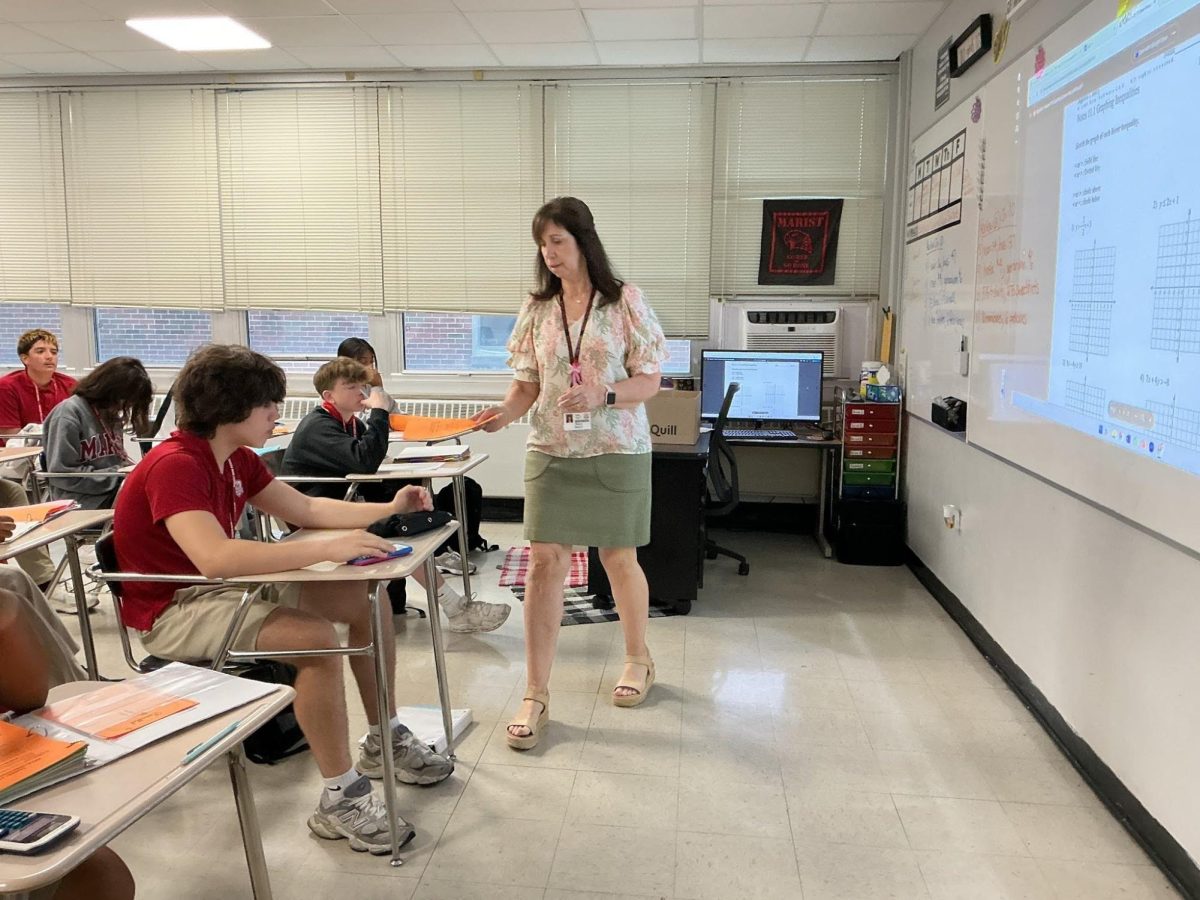
The growth of strong and friendly teacher-student relationships is key in finding success and enjoyment in the classes.
“[French teacher Sean Curtin] knows all of our strengths and weaknesses,” said freshman French student Brendan Bjork, “It feels like he actually knows us.”
Marist students at various levels of language classes all seem to agree on one thing: Marist teachers are great at building bonds with students while still working hard to teach about the dialects and cultures of different countries.
“Our teacher is able to … really connect with us one on one and we just have like a lot of fun in that class,” said junior Italian student Michaela Vitaliano.
Having fun isn’t the only important part of learning something new. Working to gain more knowledge and continuing to retain what has previously been learned is also a big priority.
“[Spanish teacher Jacqueline Maggio] helps me build off of my basics and what I’ve learned,” said freshman Spanish student Julia McDonough.
It is also recommended that students continue with their language past the two-year mark. This brings up more opportunities for upperclassmen, including the exchange program with either Argentina, France, or Italy.
The goal of these courses is to make the time spent working hard feel like more than just another graduation requirement or the buildup to a trip out of the country. Instead, the hope is for students to fall in love with the opportunities, connections, and relationships that are made, and continue to spread that love in the future.