










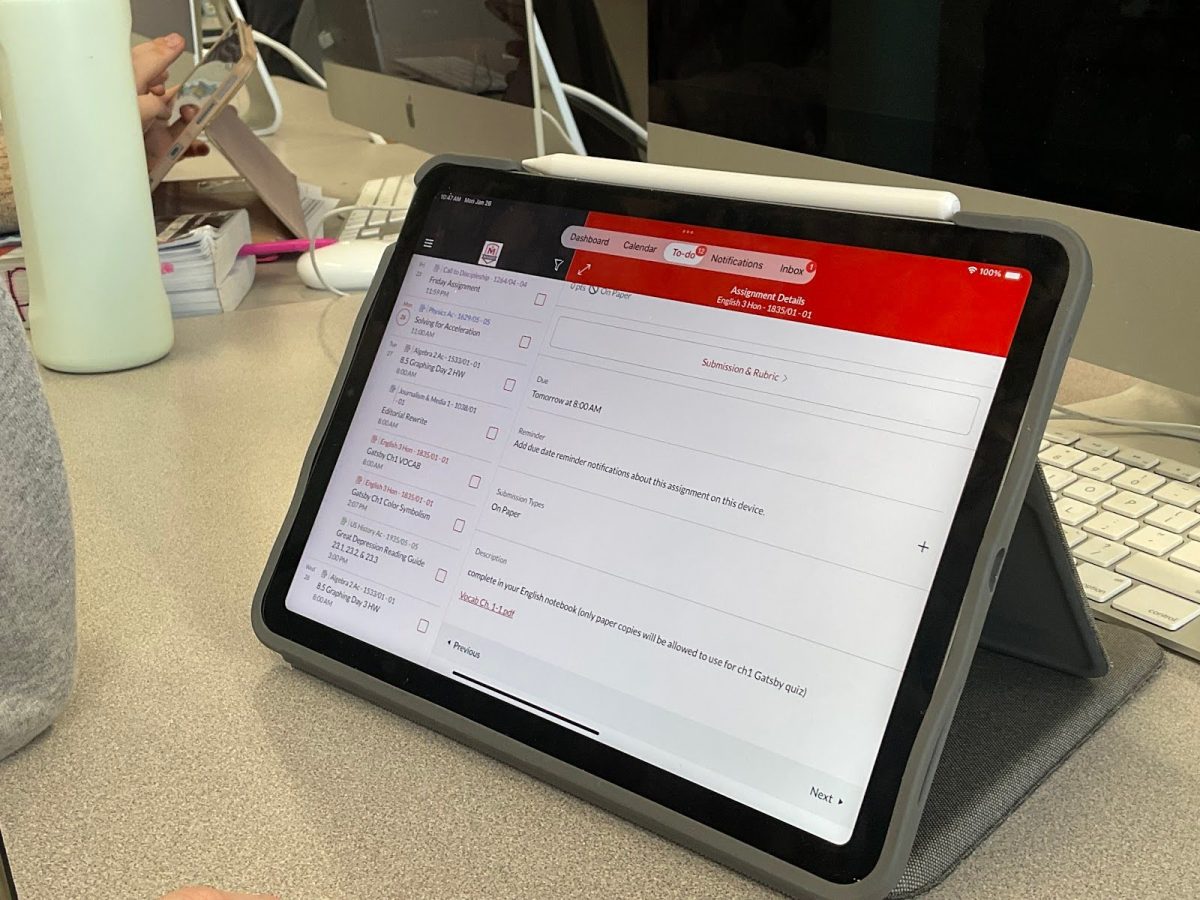


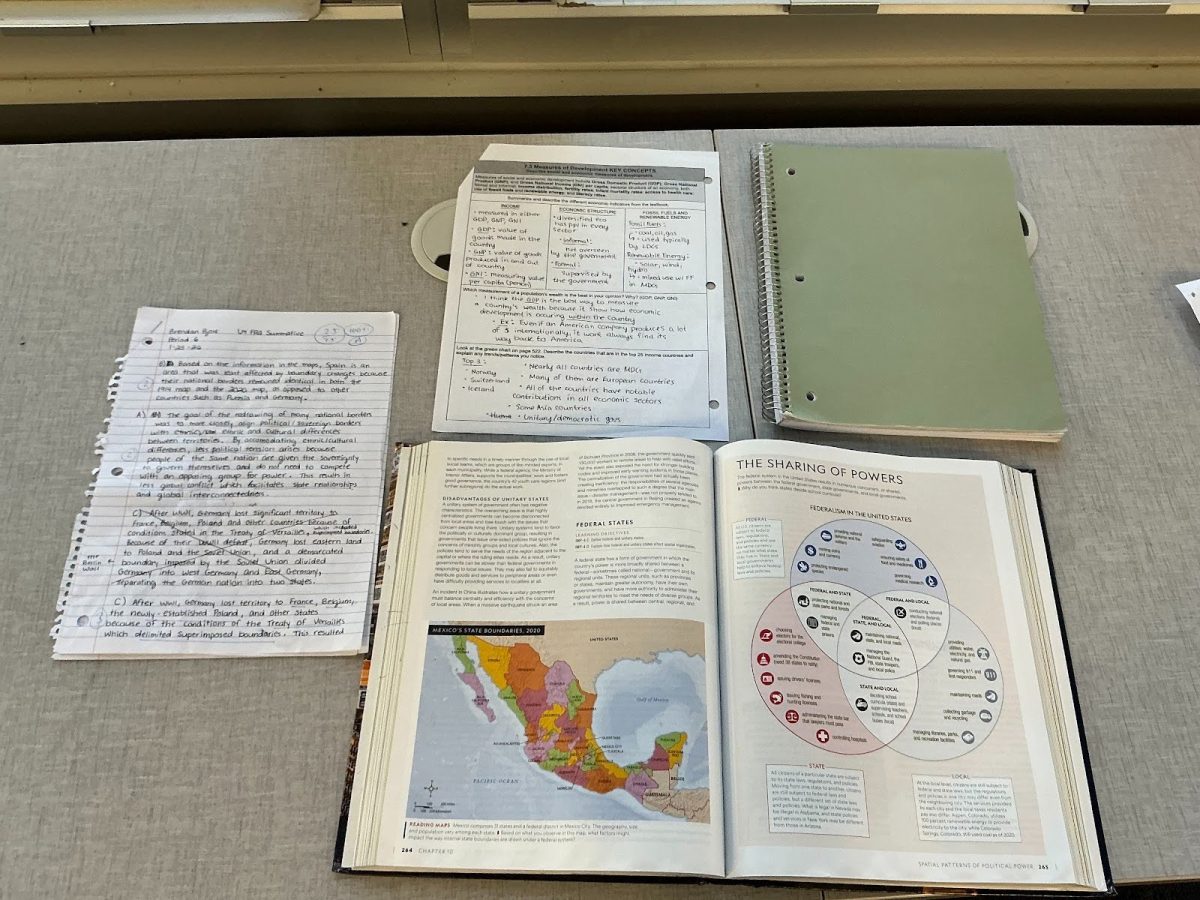
It’s 1 a.m., and a student sits behind an iPad screen with notes scattered around their desk. Exhaustion sets in, but tomorrow they will take a test that will define a school year’s worth of knowledge and determine whether or not they can receive college credit after they graduate high school.
AP (Advanced Placement) Exams, offered each May by the CollegeBoard program, measure students’ understanding of college-level coursework. Marist High School currently offers 22 different AP courses, ranging from Calculus to Literature & Composition.
The exams are graded on a scale ranging from one to five, and if a student earns a passing score (three or higher), they can receive college credit, which can allow them to skip introductory college courses, creating schedule flexibility and lower tuition costs.
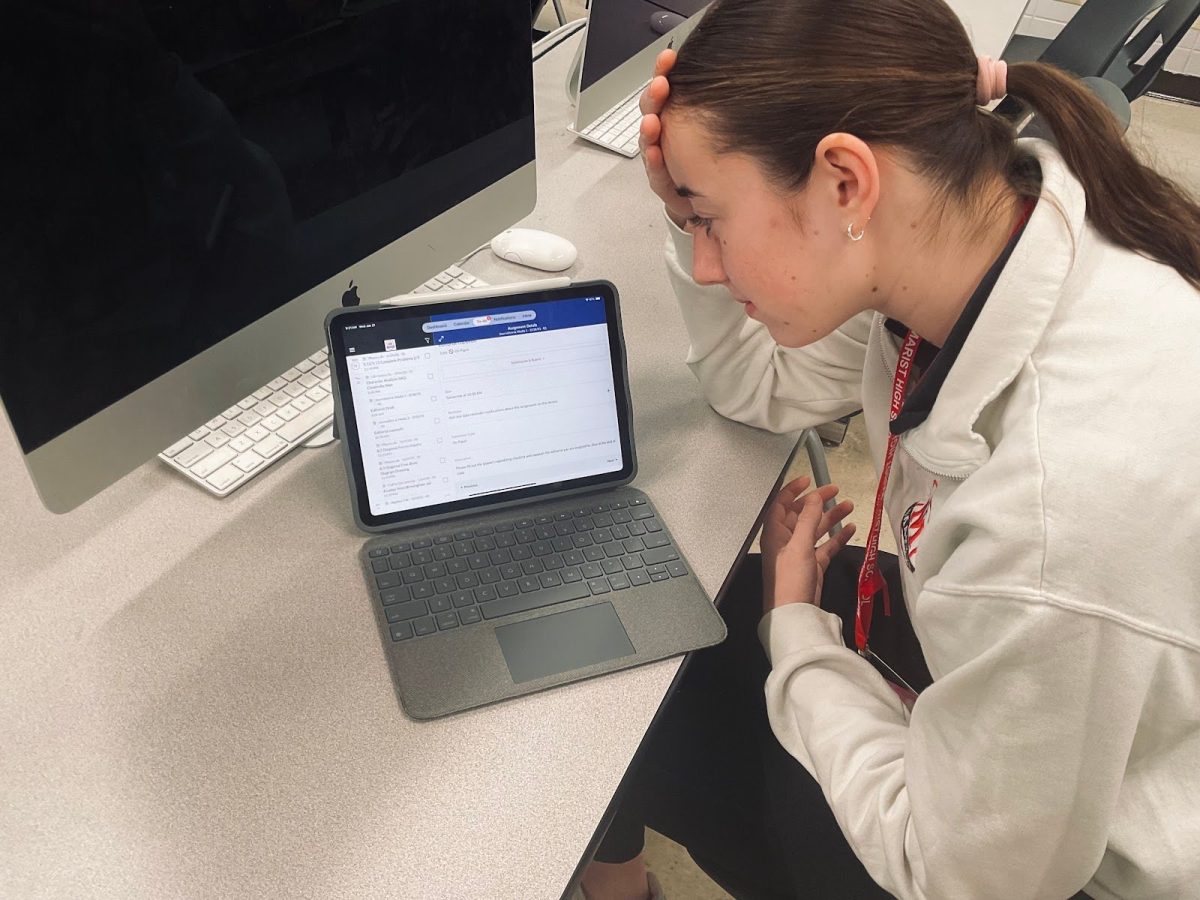
Although the benefits of AP Exams seem worth it, the anxiety and preparation that goes into achieving that five pushes a lot of students into a corner of stress.
“AP classes in general kind of took me off guard,” says junior Abby Parker. “I knew they were going to be hard, but there are some days where I just have so much work that I’m sometimes not as prepared for it as I thought I was gonna be.”
Many people think AP classes are rigorous due to high standards of memorization, but that doesn’t always seem to be the case.
“Starting more recently, AP classes have done much more with skills and being able to apply them to the real world,” says social studies teacher and AP instructor Drew Dudgeon. “A common mistake is knowing the basic level, just knowing definitions instead of knowing how something works in the real world or knowing examples.”
To master these concepts and perform well on the exam, many different techniques are taught and reinforced throughout the year.
“I try to teach active recall, which is instead of making flash cards, it’s putting things in your own words,” says Dudgeon. “It’s testing yourself without looking up definitions and instead understanding things your own way instead of copying the answer from the textbook or Google.”
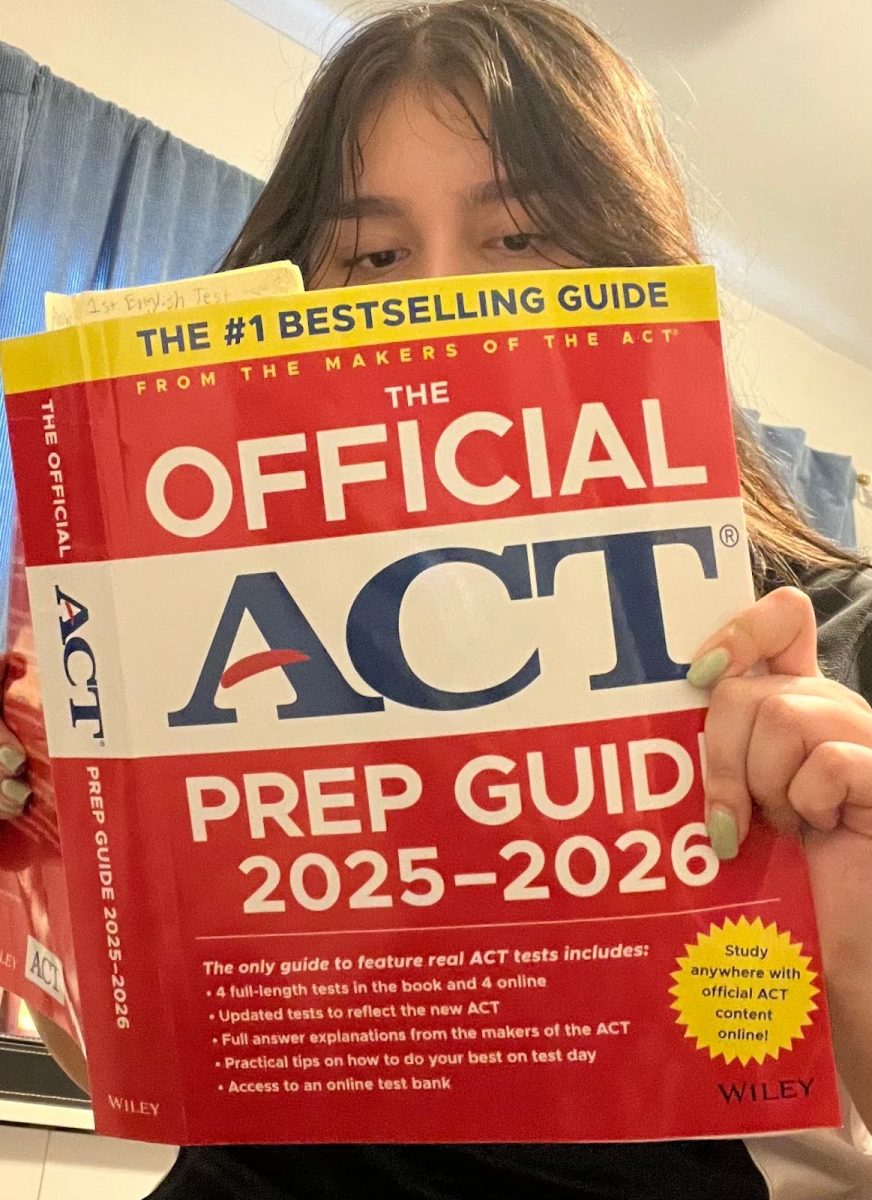
As exam dates draw near, students enter crunch time to go look over notes, practice mock exams, and study a year of complex content towards the final push of testing.
“We have to review and go back to the beginning and work our way through it again,” says Parker.
Trying to balance heavy workloads and a consistent study routine puts a lot of pressure on students, but there are many strategies to stay on track and achieve success.
“Instead of thinking about the entire AP exam, break it down piece by piece. For starters, know how the FRQs (free response questions) work. For example, what does explain versus describe ask you to do?” says Dudgeon.
“Read a lot,” says English teacher and AP instructor Megan Scanlon. “Because the majority of what you’re doing, regardless of the content, whether it’s history or English or science, is that you’re reading for hours on end.”
Self-written notes and classroom material can be effective, but online resources and practice exams can give students a better gage of how to prepare. CollegeBoard.org has specific sections of past AP exams up online for every course; using these mock tests can help students get used to the language they will be tested with.
If things are last minute, though, there are several study strategies to lock in and improve focus.
“When it comes down to studying, I like drawing with one of my hands or scratching on a piece of paper with a pen, because the movement of the pen helps you remember more,” says Parker.
On test day, students should feel confident in the skills and content they’ve learned over the year.
“Get a good night’s sleep, because you need to be fresh. Come prepared with sharpened pencils, pens, a charged iPad, and a keyboard,” says Scanlon.
Despite the high stakes, students shouldn’t feel pressured to dedicate all of their time to getting an absolute perfect score.
“I think your grade in the class matters more than any exam score,” says Dudgeon.
“It’s only one test.”