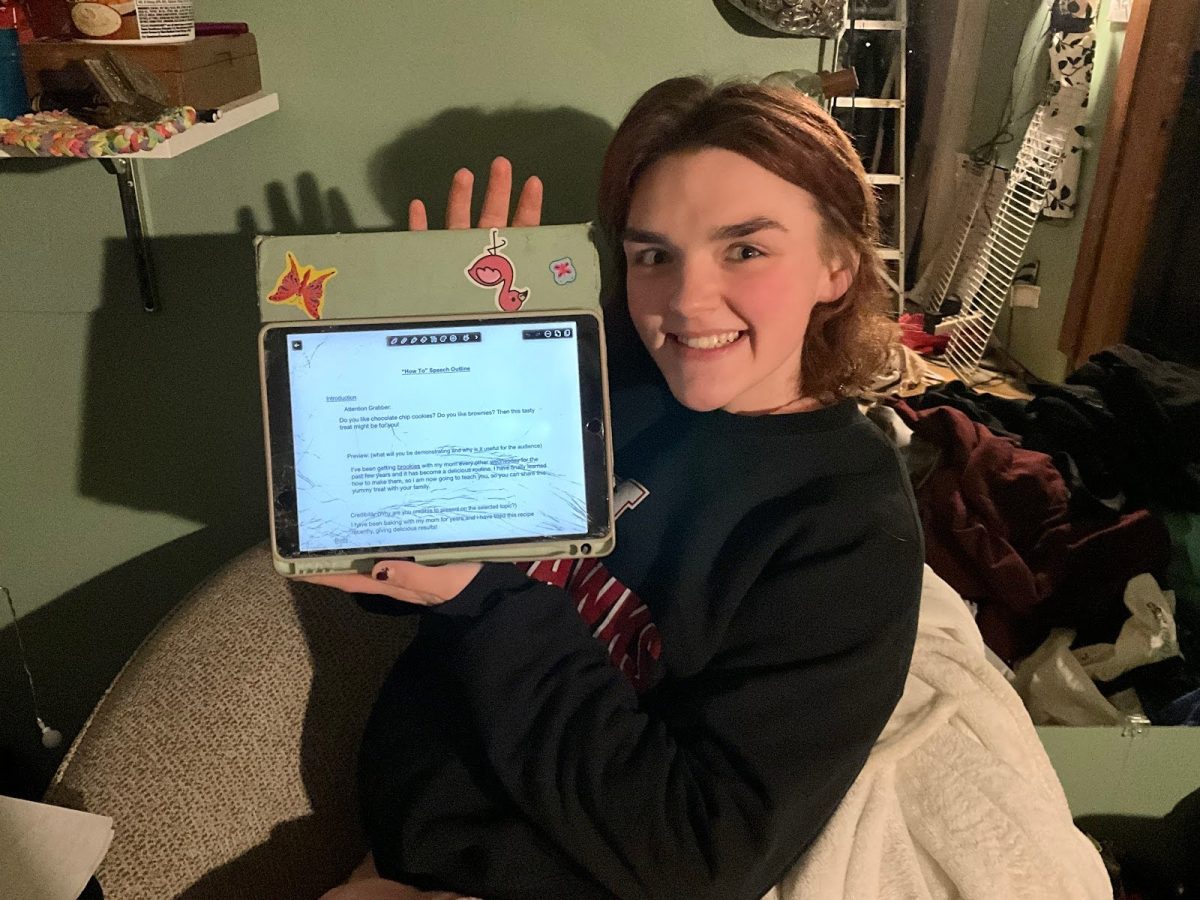



















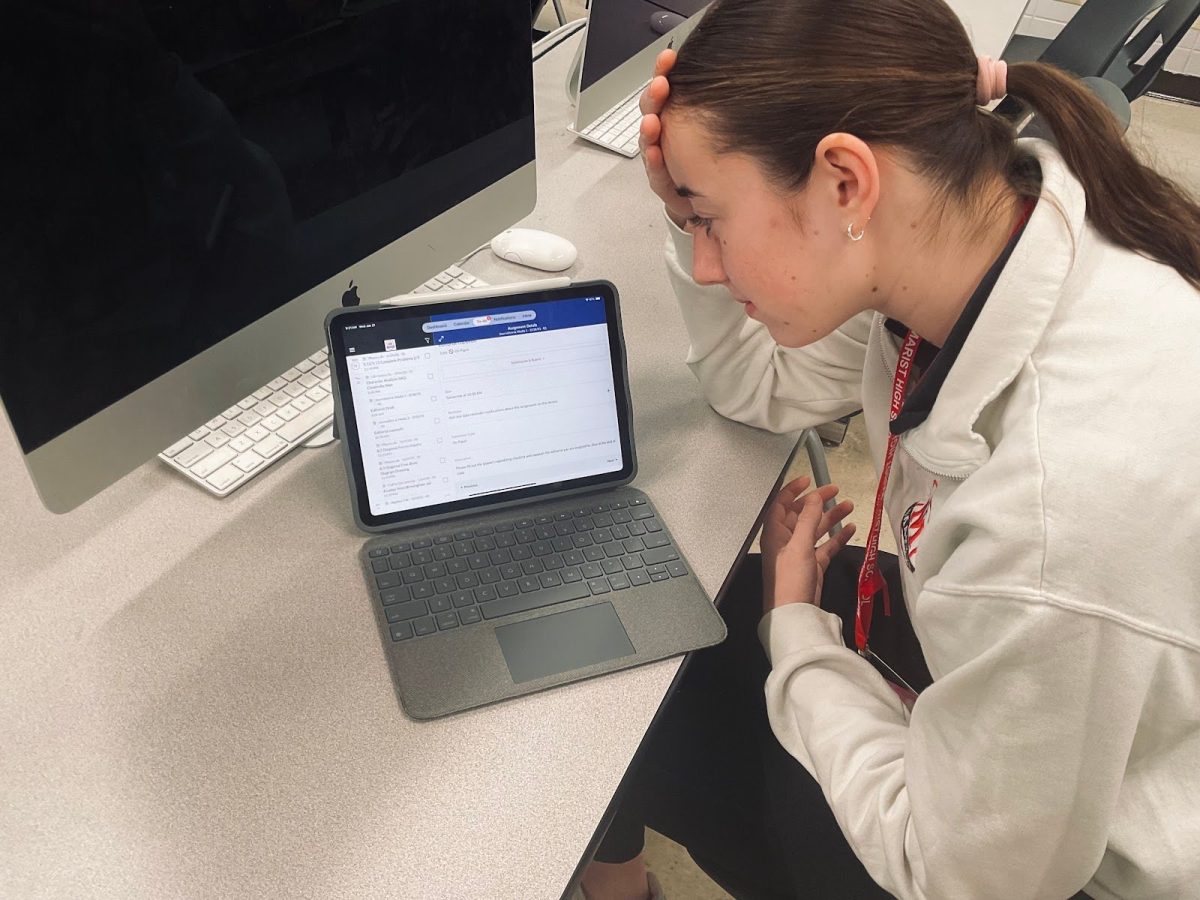

Imagine this, you wake up at 6:00 am, go to school for eight hours, you work for five hours, then you finally get home and still have two hours of homework to finish. This is the life of millions of high school students across America. Homework causes more harm than good, because high school students already have enough going on in their lives, and learn enough during the school day.
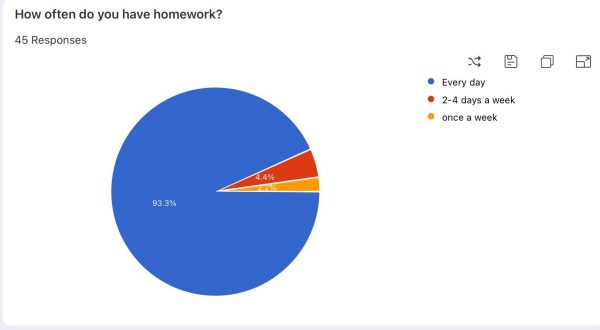
In a survey of Marist students over 93% of them responded they have homework every day. This means that students don’t have a break after school to recharge. When teachers assign homework in every class, it piles up quickly and leaves students overwhelmed and exhausted.
Another issue is the amount of time it takes students to do homework every night. The same survey found only 15% of students have less than one hour of homework every night. Homework that takes longer than that can be harmful for students because it cuts into the recommended eight hours of sleep time. Long periods of time doing school work can lead to exhaustion and resentment towards school.
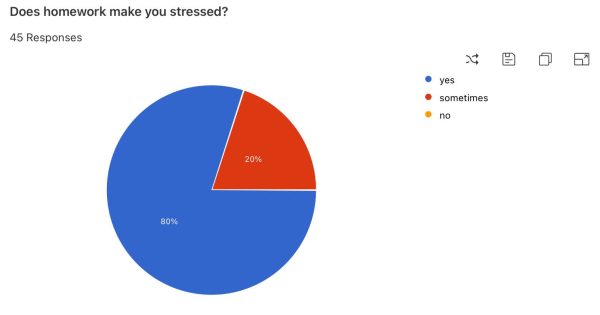
The majority of students (80%) also report homework makes them stressed. Students usually are stressed because they feel like they have so much homework to complete but not a lot of time to do it. Stress can affect students’ motivation, academic performance, and sleep.
Supporters of homework argue that it helps students better understand lessons learned in class, and prepares them for college. Although this may be true, in many cases homework only causes burnout. When students are overworked they stop engaging thoughtfully on their assignments and rush to complete them.
Instead of having excessive amounts of homework every night, teachers should focus on quality time learning during class. If high schoolers did not have homework they would likely focus more in school. Students deserve, and need, time to themselves outside of class.