














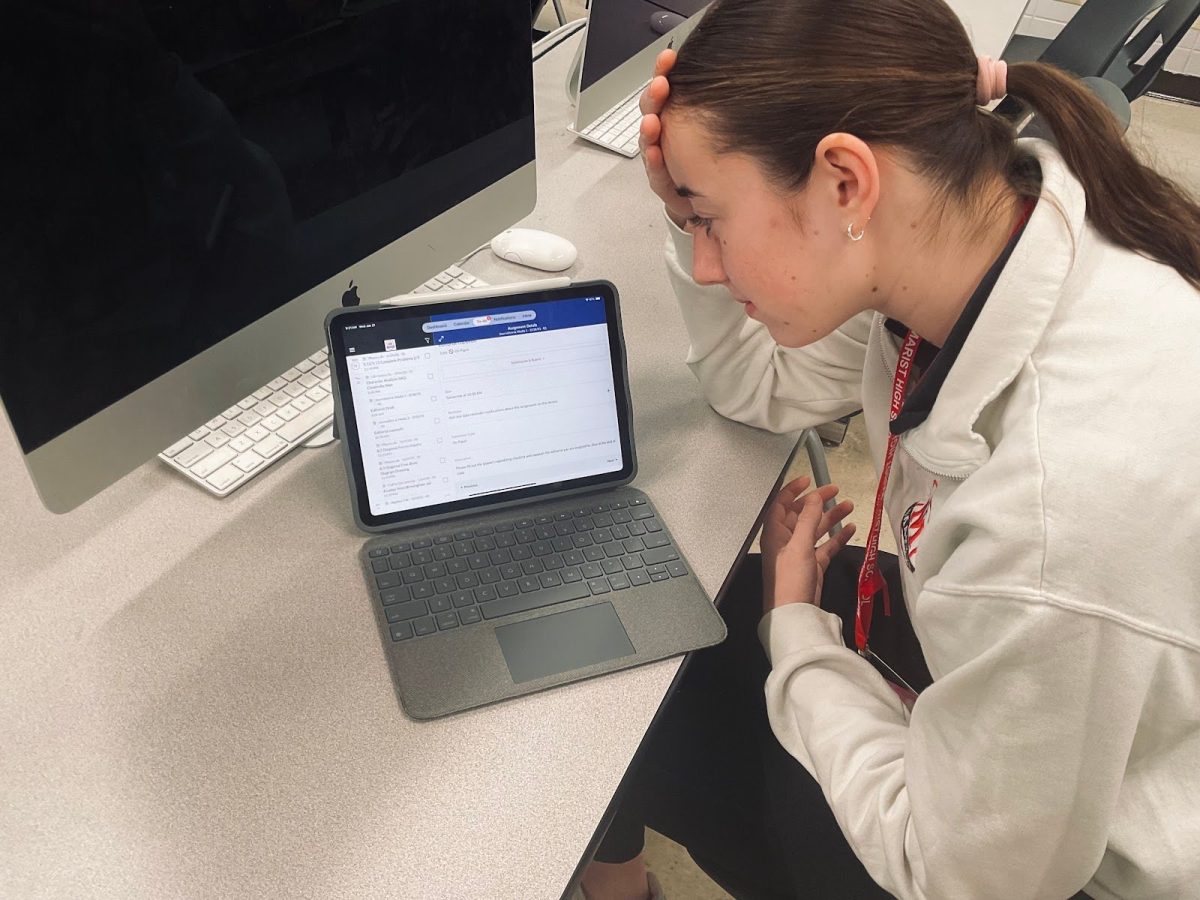

Is school a central factor in the stress teenagers suffer from? Short answer: Yes.
Every day students juggle heavy workloads, high expectations, extracurricular activities, and constant pressure to succeed. When school becomes overwhelming rather than supportive, it’s clear that something needs to change. One effective way to relieve this stress is for Marist to offer mental health days to students.
Here’s how this idea could work: Marist can offer a specific number of mental health days to students across all grade levels. These days would count as excused absences and would allow students to take a break when they feel emotionally overwhelmed. One possible approach is to base the number of mental health days on academic performance. For example, students with straight A’s could be granted up to five mental health days per semester, while students with lower grades would receive fewer or none. This system would encourage responsibility while still recognizing the importance of mental well-being.
An MHS Media poll of 155 students found the vast majority experience high levels of stress daily.
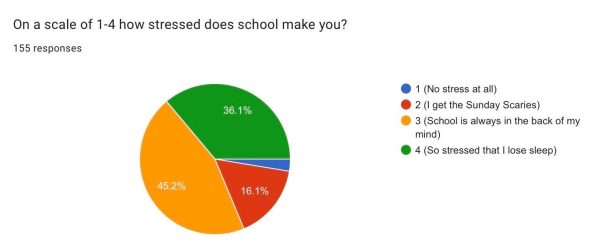
This shows that stress is not an occasional problem—it’s constant.
Some may argue that parents pay a significant amount of money for their kids to come to Marist and expect students to be in school every day. However, most adults are able to “call off” work and are given a specific number of sick or personal days. If adults are allowed time off to focus on their health, teenagers—who are still developing emotionally—should be given the same consideration. Teens also have responsibilities outside of school, and academic pressure only adds to their stress.
Another common concern is that students might utilize mental health days as an excuse to avoid responsibility. However, setting clear limits and expectations would prevent this issue. Just as adults do not endlessly abuse sick days, mental health days would be responsibly used if properly moderated.
Mental health days would not encourage laziness. Instead, they would provide students with the ability to reset and return to school more focused and productive. Sometimes talking to counselors isn’t enough to relieve the stress students experience. Having time alone can help students reflect on their anxiety and better understand the causes of their stress.
The same poll shows nearly half of the students admit to skipping school not because they were physically sick but because they needed time for themselves.
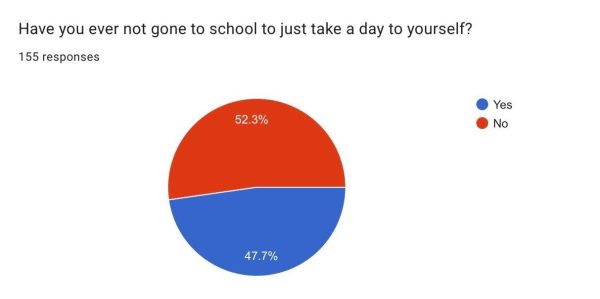
This proves that students are already prioritizing their mental health just without official support.
Marist prides itself on excellence, responsibility, and caring for its students. Offering mental health days would reflect these values and show that the school truly prioritizes the well-being of its students.
Supporting mental health does not lower academic standards—it strengthens them. Healthy students are better learners, classmates, and members of the school community. It’s time for Marist to take a step forward and recognize that mental health matters.