




Student leaders are often seen as those who have it all figured out, but behind all of the different clubs, organizations and activities going on in high school, are students who power through a heap of pressure that their peers do not face.
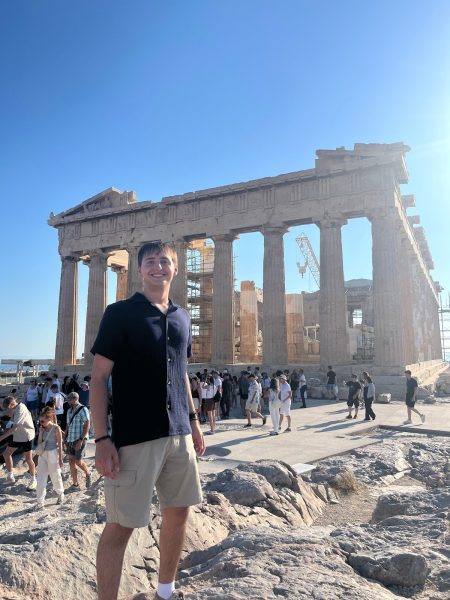
For instance, Marist senior Nick Collias is the Student Council President, the Chairperson of Fellowship for the Spanish National Honor Society, the Chair of Leadership Academies for the National Honor Society, a member of the Business, Investment, and Amnesty International Clubs, and a Student Ambassador officer.
“Sometimes I may have two activities happening at the same time so I have to pick one or the other, or compromise,” said Collias. “Sometimes being involved in so much means you might have to miss an event or two for another club or organization.”
“I find it hard to find time to do my homework while balancing trying to join new clubs I’m interested in,” said Marist senior Laylani Amaro. “Sometimes it feels like I have to sacrifice those interests to prioritize schoolwork.”
Amaro is the National Honor Society President, and a member of the Green Team, Spanish National Honor Society, and the Art National Honor Society.
“I genuinely enjoy being involved in all these things because I’ve met so many of my friends in these clubs and I get to learn more about the things I’m interested in,” said Laylani. “I love how these clubs help me take a break from my hard classes after a long day.”
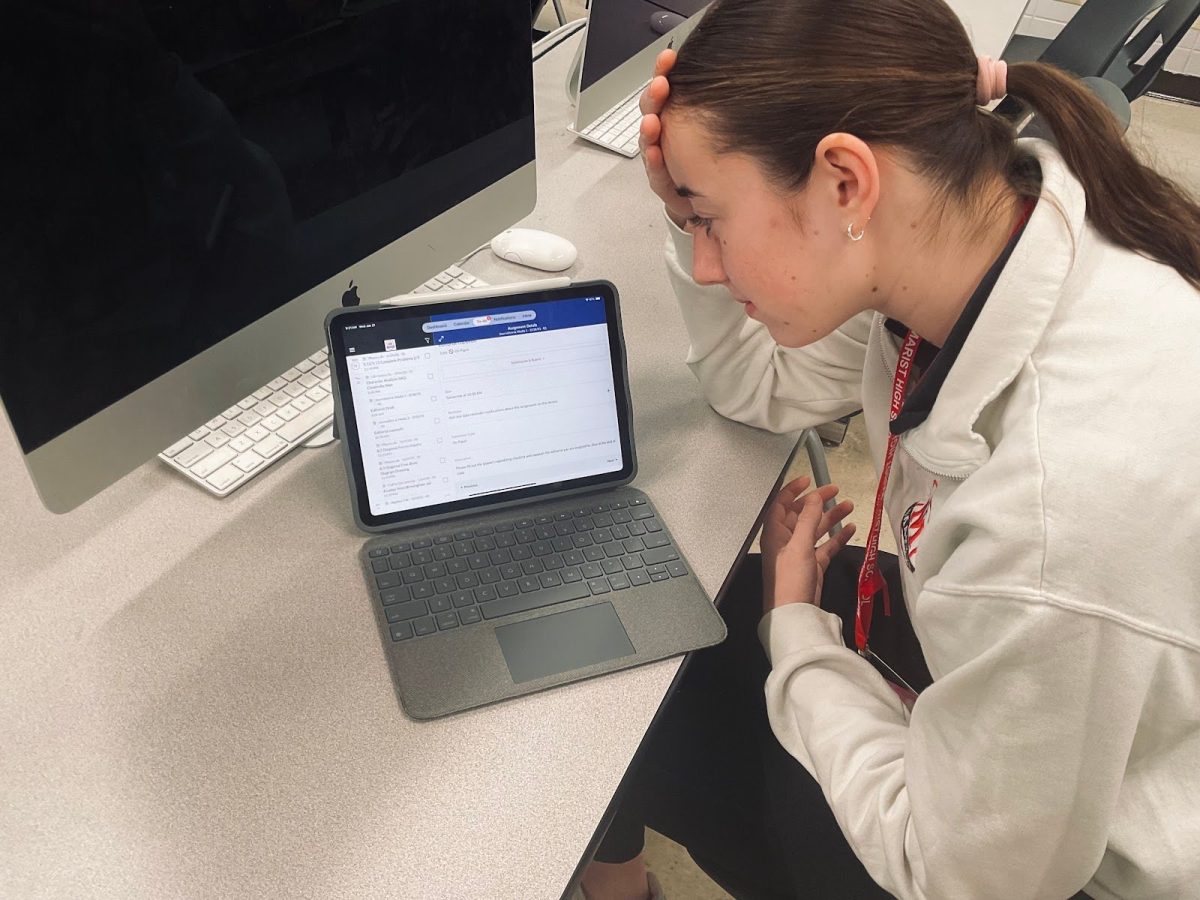
Being involved in several activities can put a lot of pressure on these students. With everything going on, students sometimes may have to pick and choose between extracurricular activities and their homework.
“I have found that a lot of my life revolves around school and that I have to make choices out of school based on what I might have to do at school,” said Collias. “I get about two-and-a-half hours of homework a night, if not more, so it is hard to find the extra time.”
Marist Counselor Jill McManus often sees students overwhelm themselves with an immense amount of extracurricular activities, causing them to do poorly both in and outside of school. She offers several pieces of advice in order to be successful and stress-free.
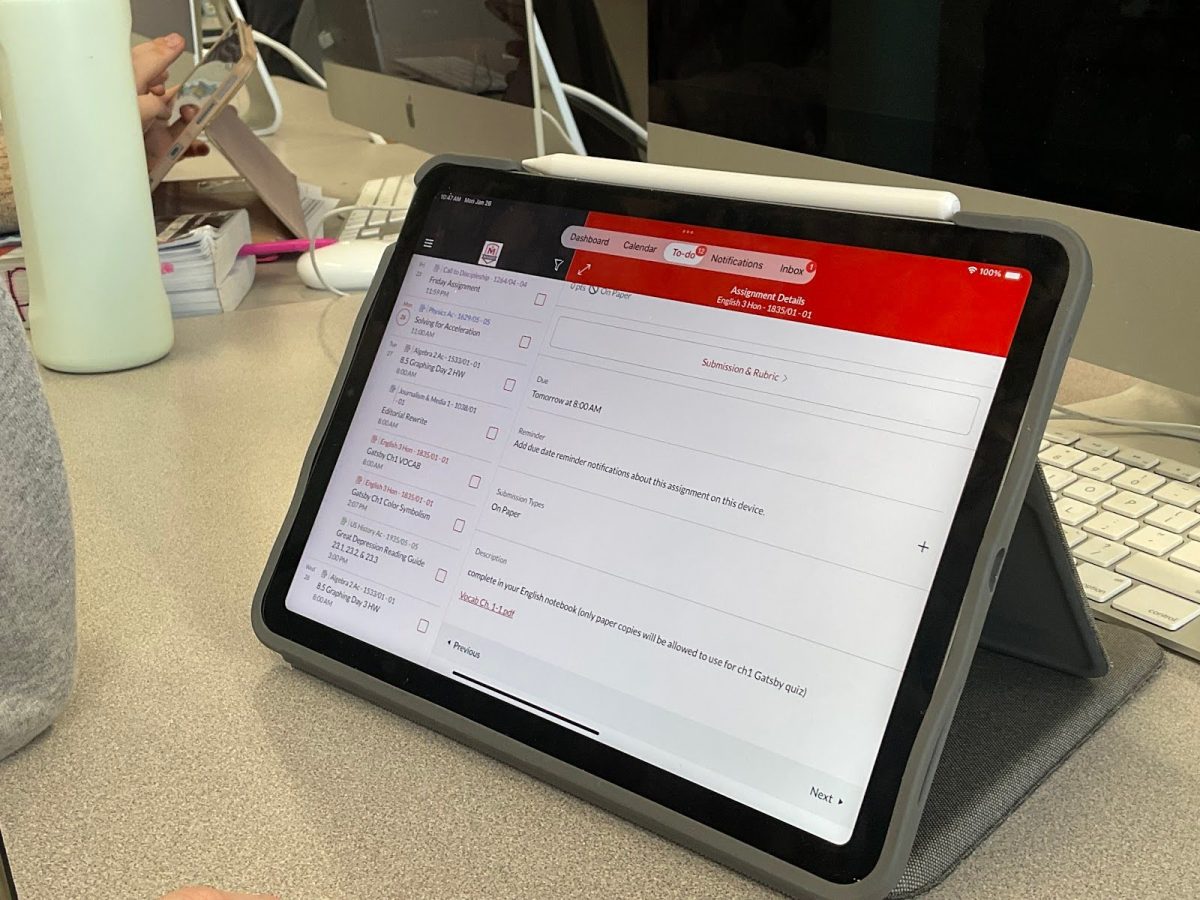
Some of these tips include staying organized by using a planner, and time management prioritizing some rest and relaxation. Most importantly, aiming for 7-9 hours of sleep is crucial, as growing teens need sleep for their memory, focus, and mood.
That may be easier said than done. Highly-involved students often forget to carve out downtime.
“I find balance by doing my homework immediately when I get home and then giving myself free time to watch a show after,” said Amaro.
Making room for enjoyable activities such as watching a series or playing video games with friends can help students, especially those who have a lot of things on their plate, clear their heads.
Student leaders who overcome the challenge of time management can reap many rewards from their commitment to get involved, even beyond the obvious boost to their college applications.
“I have gathered different benefits from each club but one that sticks out to me is being able to give back to the Marist community,” said Collias. “Through the student council and the honor societies I am in, I am able to give back to the school in more ways than one.”