










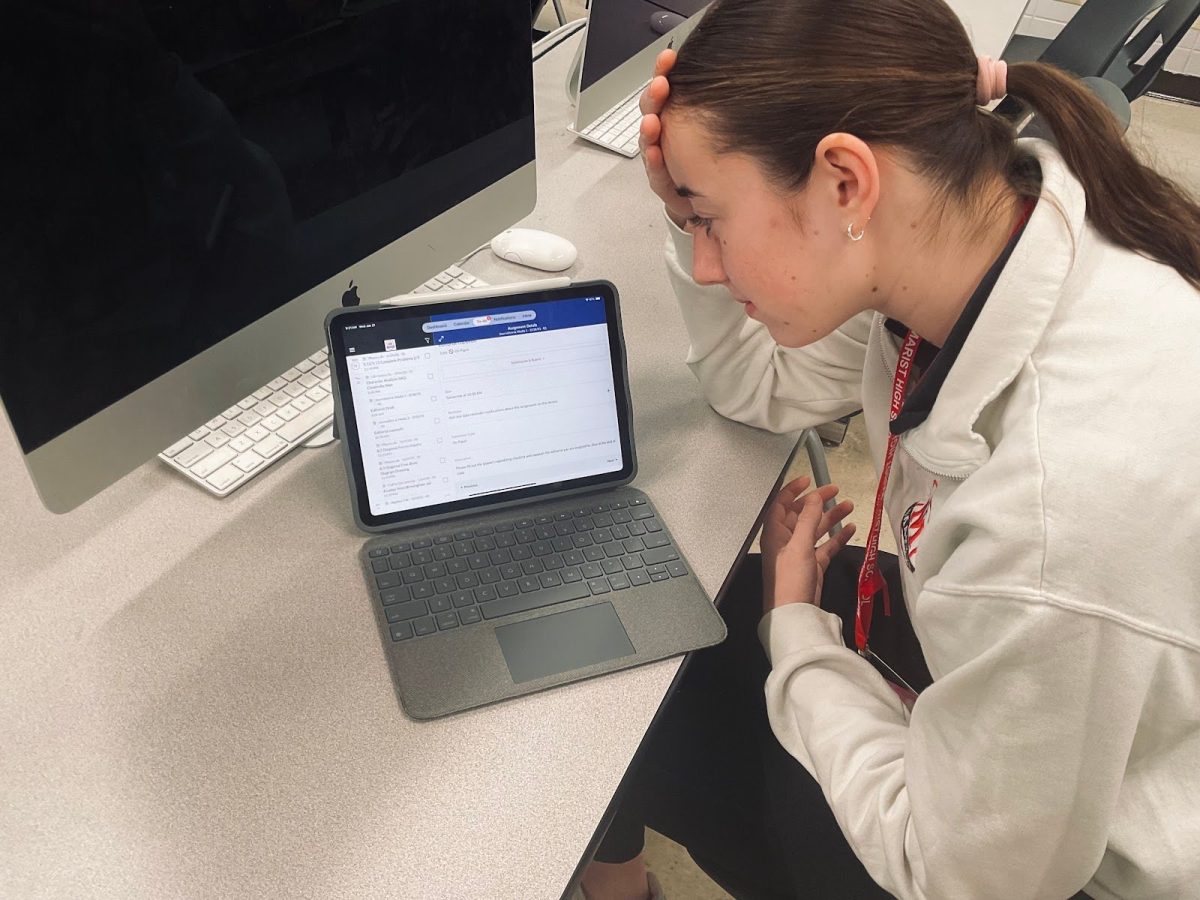

The first semester is nearing an end which means the holiday breaks are coming up. However, in order to achieve freedom from the clutches of school, students must overcome final exams. This can cause extreme stress or, in other words, the mid-year slump.
A slump refers to a temporary state of low energy and motivation. It typically stems from lack of sleep, academic anxiety, and social exhaustion.
According to the mental health website, Turning Point, a slump is the result of months of hard work, the seasons changing, and the excitement of the new school year fading. The slump hits students hard and often leads to a decline in performance. Grades begin to slip, absences rise, and students start counting the days until they finish the first semester.
Finals are not the only reason students suffer the mid-year slump. Teenagers are challenged with balancing school, jobs, sports, clubs, and a social life all while trying not to fall victim to burnout.
One senior has been through the slump time and time again.
“Sophomore year I started wrestling. I was trying something new that was already hard enough and it was so physically demanding,” senior Samantha Durbin says.
When a student falls into a slump, it does not go unnoticed by teachers.
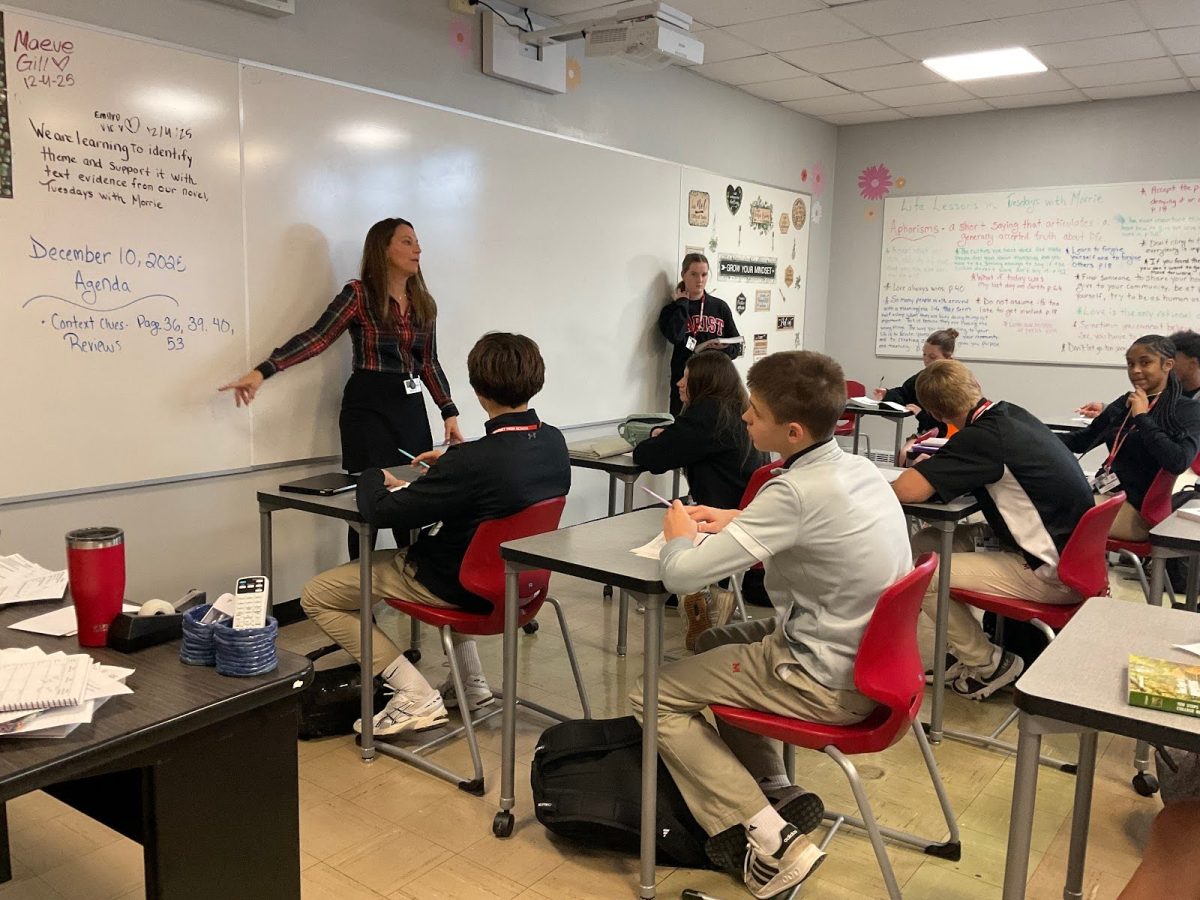
“You can tell if a student is in a slump by their facial expressions and or if they stop being themselves,” says English teacher Jamie Steinmetz. “They stop asking questions, they turn in assignments late, and they just aren’t motivated to keep up with their work.”
Many students attempt to maintain their academic standings even if it is exhausting.
“It [the slump] can be harmful because it can hurt your grades, your GPA, or your relationships,” Durbin says.
The slump, however, can have some positive impact on determining a student’s capabilities.
“It can be helpful in the future to know what you can do at your lowest and to know what motivated you,” Durbin says.
The slump still may seem impossible to overcome, but there are resources to help guide the student out of this difficult duration such as talking with teachers or adults.
“It’s tough to help students that are in a slump because sometimes they’re just emotionally drained or there are things going on outside of school that play a factor in their stress,” says Steinmetz.
According to website, Parallel Learning, other ways to overcome a slump include getting fresh air, exercising, finding a new hobby, setting small goals, creating a schedule, and taking a block of mental health time.
“Have a Sunday to yourself where you can reset, make sure your room’s clean, keep your car clean, make sure you have everything laid out for the week, and make sure you’re taking care of yourself,” says Durbin.
Regardless of the slump, after finals, the grass is greener, or in this case snowier, on the other side.
“I encourage students to think about their long-term dreams and why they need to continue to push forward,” Steinmetz says, “I think just reminding yourself that doing hard things is going to help you and make you stronger and you’re going to grow.”